

Yellow sapphire at a glance
| Species | Corundum, hardness 9 |
|---|---|
| Cause of color | Iron, and in some stones color centers |
| Shade range | Pale lemon and canary to golden and orangy yellow |
| Usual treatment | Heating to deepen and even out the color |
| Main sources | Sri Lanka, Madagascar, Thailand, Tanzania, Australia |
| Check before buying | Saturation, brown or green modifiers, color stability |
What is listed right now
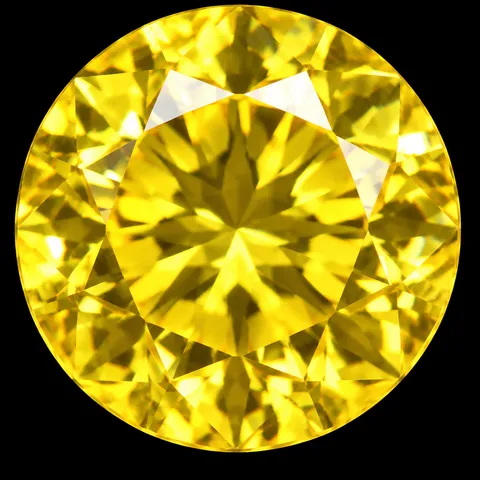
Right now the catalog holds 10 yellow sapphires, from 0.56 to 16.00 ct, and 10 are available to reserve. The most common shapes are oval, round, cushion. By the suppliers' own statements, 4 are heated and 6 unheated. 1 listing includes a video.
Jump to a shape: Oval (4), Round (4), Cushion (1), Octagon (1).
Where the yellow comes from
Most yellow in corundum comes from iron in its ferric state, which gives a soft to medium color that heating can intensify. Some crystals owe part of their color to color centers, tiny defects that absorb blue light. Natural color centers can be stable, but yellow created or boosted by irradiation may fade under light or heat, so laboratories sometimes run a fading test before issuing a report.
This matters to a retailer only if the color changes in the showcase. A stone sold as vivid canary that turns pale after a few weeks in a window comes back. When a stone is priced at the top of its range, ask whether a report covers stability.
The Sri Lankan yellow tradition
Ceylon gravels produce yellow corundum in quantity, and much of the finest golden material on the market was cut on the island. Local and Indian demand has long been shaped by Vedic astrology, where this stone is called pukhraj and worn for the planet Jupiter. That market prefers clean, untreated goods in larger sizes and pays well for them, which keeps prices for the best material firm.
In Western jewelry, golden corundum is often chosen as an affordable alternative to fancy yellow diamonds. It is harder than every colored gem except diamond and keeps its polish in rings worn daily.
Grading what you see
Look for a clean yellow without brown or green. Pale lemon goods are the most affordable, while saturated canary and golden tones cost more per carat as size rises. Yellows are often eye clean in sizes where blues show silk, so buyers can be stricter on clarity. Zoning, seen as bands of stronger and weaker color, is common and may show from the side even when the face-up view looks even.
Cut matters as much as color. A shallow stone loses brilliance and shows a gray window; a deep one turns dark and heavy. Compare the measurements on the listing to the carat weight before reserving, especially for calibrated sizes meant for an existing mounting.
Matching yellows for sets and halos
Yellow is forgiving to match because the hue range is narrow, but saturation differences show clearly side by side. When building a halo or an eternity band, sort stones by saturation first: a lemon stone next to a golden one makes the whole piece look uneven. Stones cut from one rough parcel often share a tone, which is why matched suites are usually assembled from a single source.
Golden corundum pairs well with white diamonds and with blue in two-tone designs. In yellow gold settings, pale stones can look washed out because the metal adds its own color; white gold or platinum prongs keep a light lemon stone looking crisp.
Heated, unheated and what the label means
Heating is standard here and removes brownish tints while deepening the hue. It is accepted when disclosed. Beryllium diffusion, which can turn pale material bright yellow or orange, is a different process and is listed separately as diffusion treated. Untreated goods carry a premium, but the claim only becomes documented when a laboratory report is attached; otherwise the platform shows it as supplier-reported.
Buying for stores and astrology clients
Retailers serving astrology clients often need weight in both carats and ratti, an unheated report and specific sizes, while bridal and fashion buyers care more about face-up size and color match. Use the carat filter for weight bands and the treatment filter for untreated goods, then check whether a report is attached. Approved trade accounts see prices per stone, can reserve from the listing, and can pull the same inventory into their own website through the API.
Questions buyers ask
Is yellow sapphire the same as pukhraj?
Yes. Pukhraj is the Hindi name for yellow sapphire, worn in Vedic astrology as the stone of Jupiter. Astrology buyers usually ask for unheated stones with a laboratory report, so check the treatment value and whether a report is attached.
Do yellow sapphires fade?
Heated stones and those colored by iron are stable. Yellow produced or deepened by irradiation can fade in light, and a laboratory fading test detects it. If a vivid stone is priced far below the market, ask about a report.
Are Ceylon yellows better than other origins?
The island produces many bright, clean yellows and the name carries weight, but quality varies within every source. Judge each stone on color, clarity and cut rather than origin alone, and treat origin as supplier-declared unless a report says otherwise.
What is the difference between yellow sapphire and citrine?
Citrine is quartz, about 7 on the Mohs scale and far less expensive. Corundum is harder, denser and more brilliant. The two can look alike in photos, so identification relies on gem testing, and every stone here is declared as corundum by its supplier.
What carat weights are listed?
There are 10 yellow stones in the catalog right now, from 0.56 to 16.00 ct. New stones are added as suppliers list them.
How do jewelry retailers buy these stones?
Apply for a trade account. Once approved, you see prices at your account rate, can reserve online or through the API, and the supplier confirms the stone before it becomes an order.