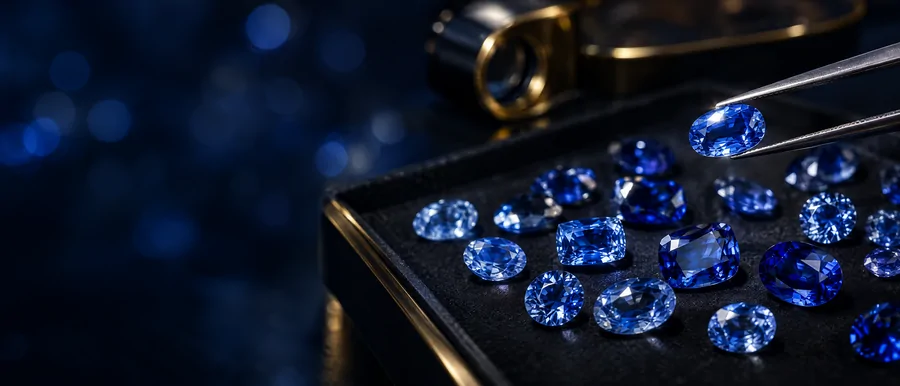


Purple sapphire at a glance
| Mineral | Corundum (Al2O3), hardness 9 |
|---|---|
| Cause of color | Chromium (red) combined with the iron-titanium pair (blue) |
| Shade range | Lavender, violet, grape and plum |
| Related stones | Color-change corundum, blue in daylight and purple indoors |
| Main sources | Sri Lanka, Madagascar, Tanzania, Myanmar |
| Check before buying | Red to blue balance, gray masking, shift between lights |
What is listed right now
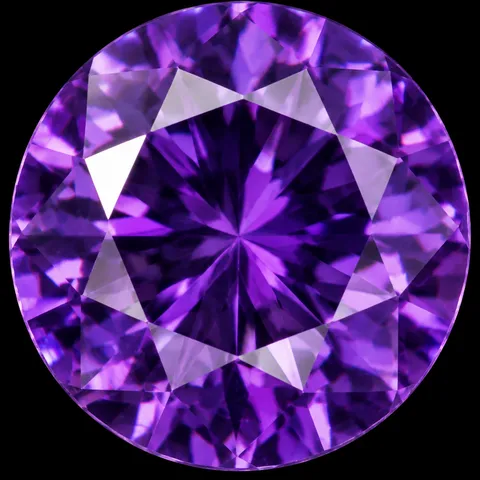
Right now the catalog holds 8 purple sapphires, from 0.59 to 3.50 ct, and 8 are available to reserve. The most common shapes are oval, pear, cushion. By the suppliers' own statements, 6 are heated and 2 unheated. 1 listing includes a video.
Jump to a shape: Oval (5), Pear (2), Cushion (1).
How purple happens in corundum
Purple is a mixture. Chromium, the element behind ruby red, sits alongside the iron and titanium pairs that create blue, and the eye reads the sum as violet or purple. More chromium pushes a stone toward plum; more of the blue-making pair moves it toward violet. Gray or brown modifiers dull the color and lower the value.
Purple, pink and ruby: where the lines fall
No single industry rule says where purple ends and pink or ruby begins. Laboratories describe the hue they see, and traders add names such as plum, grape, lavender or raspberry. Very saturated reddish purple goods are sometimes sold as purplish ruby in certain markets, which is why each listing keeps the supplier's own color term and lets the photos show the rest.
Sri Lanka produces a wide spread of these shades, often in light, bright tones that suit fashion jewelry, along with some deep, velvety violets that rival a fine blue for presence.
Color change and light sensitivity
Some Sri Lankan corundum is color change: blue or violet blue in daylight, turning purple under warm incandescent light. This is a separate category priced on the strength of the change. Ordinary violets and plums shift a little too, looking bluer outdoors and redder indoors, so read the photos and any video with the lighting in mind and show clients the stone in more than one light.
Lavender, violet and plum compared
Lavender stones are light in tone with soft saturation and suit pastel jewelry and larger fashion pieces, where their lower price per carat lets a designer use bigger sizes. Violet goods sit between blue and purple, with medium tones that hold their color indoors. Plum shades lean red and dark and look rich in yellow gold.
Each of these sells to a different client, so decide which shade a collection needs before shortlisting. Filtering by color and then comparing photos side by side is quicker than reading names, because suppliers use these words loosely.
Clarity and cut in violet corundum
Silk and fingerprints are common in Sri Lankan material and are easier to see in lighter stones. A little silk softens the color pleasantly; dense silk makes the stone look milky. Native cuts are often deep to hold weight, so compare the length and width with the carat weight before reserving a stone for a specific setting.
Treatment
Heating is applied to some purple goods to remove blue or brown and clean up the hue, while others reach the market unheated. There is no safe assumption, so read the value on each listing. A treatment value appears on every stone; an attached laboratory report makes it documented, otherwise it is supplier-reported. Diffusion treated material is labelled separately and never mixed into heated stock.
A September birthstone in another color
Sapphire is the traditional birthstone for September, and it counts in any color, not only blue. Purple and violet give gift buyers a choice that still fits the tradition, and they suit anniversary pieces too, since sapphire marks the 45th wedding anniversary. For gift jewelry, calibrated stones of half a carat to one carat keep prices accessible while still showing clear color; plum and violet stones over two carats are scarcer and suit statement rings.
Selling purple in a jewelry store
Purple pairs well with rose gold and halo designs, and gives a retailer an option between classic blue and pink. Lighter lavender stones usually cost less per carat and suit larger fashion pieces; saturated violet costs more. Approved trade accounts see prices on each listing, can reserve stones online, and can show live inventory on their own website through the API.
Questions buyers ask
What are purple sapphires called in the trade?
Traders use violet, plum and lavender for different shades. A laboratory report will describe the stone as purple, violet or reddish purple sapphire. All of them are natural corundum.
Is purple sapphire rare?
Purple is less common than blue and yellow in most deposits, but it is not among the rarest colors; padparadscha and fine unheated blues are much harder to find. Saturated violet in larger sizes is the scarcest part of the range.
What is a color-change sapphire?
It is corundum that looks blue or violet in daylight and purple or reddish under warm light, because its absorption sits balanced between the two. Sri Lanka is a known source, and strong, clean changes command the highest prices.
What sizes of purple stones are available now?
The catalog lists 8 purple stones right now, from 0.59 to 3.50 ct. The range shifts as stones sell.
Can I find a matched pair?
Pairs depend on what suppliers hold at the time. Use the shape and carat filters to shortlist similar stones and compare their photos, and contact the team if you need help comparing them.