

Pink sapphire at a glance
| Species | Corundum, second only to diamond in hardness |
|---|---|
| Cause of color | Chromium, sometimes with iron adding purple or orange |
| Shade range | Pastel, baby pink, bubblegum, hot pink, purplish pink |
| Boundary | Deep, saturated goods may be graded ruby in some markets |
| Main sources | Sri Lanka, Madagascar, Myanmar, Tanzania |
| Check before buying | Purple or orange modifiers, saturation, report wording |
What is listed right now
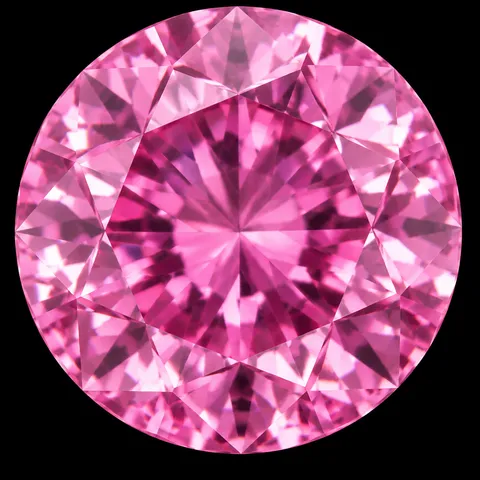
Right now the catalog holds 5 pink sapphires, from 0.50 to 3.00 ct, and 5 are available to reserve. The most common shapes are oval, cushion. By the suppliers' own statements, 3 are heated and 2 unheated.
Jump to a shape: Oval (3), Cushion (2).
Pink or ruby?
Pink and red corundum are one mineral colored by one element. The trade draws a line somewhere along that scale and calls everything above it ruby, but the line is not fixed. Some laboratories and markets accept lighter, pinkish red goods as ruby; others grade them pink. When a deep pink is described as ruby, read the report wording, because the name changes the price a great deal.
For most buyers the practical point is simpler: a stone priced as pink sapphire is good value next to the same color sold as a light ruby.
The shades that sell
Pastel and light pinks suit everyday and fashion pieces and are the most affordable. Hot pink and vivid magenta carry strong saturation and are priced higher per carat. Many stones show a secondary hue: purplish pinks look cooler and richer, orangy pinks lean toward the padparadscha family. Chromium also gives these stones red fluorescence under ultraviolet light, which can make good material look brighter in daylight.
Pink for bridal and everyday pieces
Pink corundum has become a regular request for engagement rings, often from clients who want color without the price of a fine ruby. For a center stone, medium tones read best: very light pastels can look washed out in a large setting, while the darkest shades lose sparkle in dim rooms. In accent stones and eternity bands, lighter pinks give a soft blush that pairs well with diamonds.
Rose gold warms the color and suits orangy and pure pinks. White metals keep purplish pinks looking cool and crisp. When a client is torn between two shades, show both stones in the metal they prefer, because the setting changes the color more than most buyers expect.
Clarity and size expectations
Light pinks show inclusions more readily than deep colors, so clarity matters more in pastel goods. Sri Lankan material is often clean in small and medium sizes; larger stones with vivid color and good clarity are much scarcer, and the price per carat rises steeply past two carats.
Sri Lanka and pink corundum
Ceylon gravels have supplied pinks for centuries, usually bright, light to medium in tone and well suited to calibrated sizes. Madagascar added a large volume of vivid material from the late 1990s. Each listing records origin as declared by the supplier, and a stone is labelled lab documented for origin only when an attached report states a country.
The orangy edge and padparadscha
Orangy pinks sit next to padparadscha and are sometimes offered under that name. If the orange is faint and the stone reads clearly pink, it belongs here and should be priced as a pink. When a seller asks a padparadscha price for an orangy pink, a laboratory report with padparadscha wording is the only thing that justifies it. For stones on the line, compare the photos with the padparadscha listings and read any report carefully.
Heating and other treatments
Pink goods are commonly heated to remove a bluish or purplish tint and to clear silk, which is accepted when disclosed. Beryllium diffusion can push pink material toward orange and padparadscha colors; it is listed as diffusion treated, never as heated. Lead-glass filling, more common in low grade ruby, is listed as fracture filled. The treatment value sits on every listing and is supplier-reported unless a report is attached.
Building a pink range
Pink is popular in engagement rings, birthday and anniversary pieces and in rainbow designs. For layouts with many stones, match tone first and hue second, because a purplish pink next to an orangy one is easy to spot. Approved retailers see prices on each listing, can reserve stones online, and can pull the same live inventory into their own store through the API.
Questions buyers ask
Is pink sapphire valuable?
Value depends on saturation, size and clarity. Vivid stones over two carats with good clarity cost much more per carat than pastels, and an unheated report adds a premium. Light pinks are among the more affordable colors of corundum.
What is the difference between pink sapphire and pink spinel?
They are different minerals. Sapphire is corundum, 9 on the Mohs scale; spinel is about 8 and singly refractive. They can look alike, so identification relies on gem testing.
Do pink sapphires fade?
Pink corundum colored by chromium is stable. A small number of pink to orange stones carry an unstable color component that fades with light exposure, which laboratories can test for. Ask about a report for stones priced at the top of the range.
How many pink stones are listed?
5 pink stones are in the catalog now, from 0.50 to 3.00 ct, and the selection changes as stones sell.
Can retailers buy these stones at trade prices here?
Yes, once your business is approved for trade access. You then see each stone's price, can reserve it from the listing, and the supplier confirms before it becomes an order.