

Green sapphire at a glance
| Mineral | Corundum, 9 on the Mohs scale, no cleavage |
|---|---|
| Cause of color | Iron, often as fine blue and yellow zones that blend |
| Shade range | Mint, seafoam, olive, forest green |
| Usual treatment | Some stones heated, others not; see each listing |
| Main sources | Australia, Thailand, Nigeria, Madagascar, Sri Lanka |
| Check before buying | Olive or gray modifiers, darkness, zoning, brightness |
What is listed right now
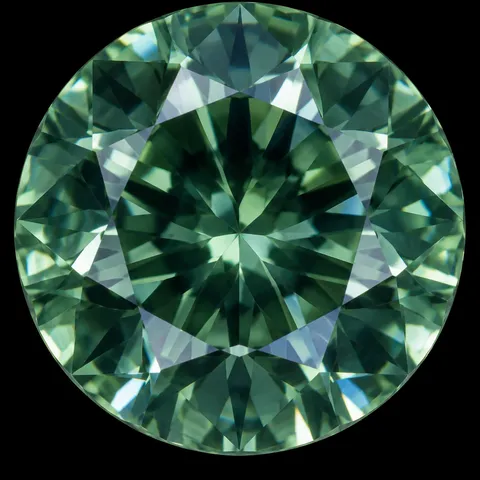
Right now the catalog holds 6 green sapphires, from 1.00 to 7.08 ct, and 6 are available to reserve. The most common shapes are cushion, octagon, princess. By the suppliers' own statements, 5 are heated and 1 unheated. 1 listing includes a video.
Jump to a shape: Cushion (3), Octagon (1), Princess (1), Round (1).
Why corundum turns green
There is no single green chromophore in sapphire. Most green corundum contains iron in forms that read as yellowish, combined with iron and titanium pairs that add blue. When both sit in fine, alternating zones, the blend looks green. Extra yellow makes the stone olive; extra blue slides it toward teal.
Because the color is a mixture, many of these stones show zoning from the side, and the face-up color can differ depending on how the cutter oriented the crystal.
Next to emerald and tsavorite
Green corundum is often shown to clients who want a green gem that wears better than emerald. It is harder, far less prone to chipping, and rarely needs oil or resin in fractures. It does not match the glowing saturation of the best emerald or tsavorite garnet, so price it as a gem in its own right rather than a substitute.
Compared with tourmaline and peridot
Clients choosing a green gem often weigh corundum against tourmaline and peridot. Tourmaline offers a wide range of greens at lower prices but is softer, around 7 to 7.5 on the Mohs scale, and peridot, at about 6.5 to 7, scratches more easily in rings. Corundum costs more but survives daily wear far better, which makes it the practical choice for an engagement ring or a signet.
Tone, lighting and presentation
Green corundum is sensitive to tone. A stone that looks pleasantly deep in daylight can turn almost black in a dim room, while a light mint stone may look washed out in sunlight. Medium tones hold up best across conditions. Warm light tends to bring out yellow and push a stone toward olive; cool light shows more blue.
When comparing listings, check the photos and video under different light where provided. A green that stays green indoors is worth more to a retailer than one that only looks right in a photo booth.
Sources and the Sri Lankan share
The largest volumes come from basalt-related deposits in Australia, Thailand and Nigeria, where green and teal material is common and often dark. Sri Lanka produces fewer green stones, usually lighter and brighter, which can look livelier in small sizes. Australian and Nigerian rough is often large enough for stones of several carats, which is why bigger green goods are easier to find than bright blues of the same size. Origin on each listing is declared by the supplier unless an attached report states it.
Treatment
Heating is used on some green goods, for example to lighten very dark material, while others go to market untouched. There is no safe assumption either way. Each listing carries a treatment value; an attached laboratory report makes the value documented, otherwise it is supplier-reported. Diffusion treated stones are listed separately.
Calibrated greens for bands and accents
Calibrated sizes such as 5 by 3 mm or 6 by 4 mm are used in channel set bands and accent work. Because green tones vary from stone to stone, shortlist a few more than you need and compare their photos side by side before reserving. Australian rough is a common source of calibrated green and teal, often precision cut abroad, while Sri Lankan greens are more often native cut and sold as single stones.
What sells in green
Medium tones with clear, bright color and little olive or gray are the easiest to sell. Mint and seafoam suit pastel and fashion pieces, while deeper forest shades work in men's rings and vintage-style settings. Approved retailers can filter by carat weight and shape, reserve directly from a listing, and show the same live inventory on their own website through the API.
Questions buyers ask
Is green sapphire a real sapphire?
Yes. Green stones are corundum just like blue sapphire and ruby; the trade uses the word sapphire for every color of corundum except red.
Is green sapphire expensive?
It usually costs less per carat than blue, pink or padparadscha of similar size and quality. Bright, clean stones in medium tones and larger sizes cost the most.
Is green sapphire good for an engagement ring?
Corundum is 9 on the Mohs scale, tougher than emerald and suited to daily wear. Choose a medium tone so the color stays visible indoors.
Which green stones are available now?
There are 6 green stones listed right now, from 1.00 to 7.08 ct. The filters above narrow by shape, treatment and stones with video.
Why do some green sapphires look olive?
Olive comes from extra yellow and a darker tone. It is a natural result of how iron colors corundum and is usually priced below a clear green.